

Continuous Glucose Monitors
What is a CGM?
Continuous glucose monitors (CGMs) are designed to help those with Type 1 and Type 2 diabetes and hypoglycemia manage their glucose levels in real time, without the need for finger pricks. CGMs can alert patients when their glucose is rising or falling rapidly, and when they hit a high or low limit, giving them an advanced warning to prevent low or high blood sugar (blood glucose).
CGMs provide patients with trends about their blood sugar levels that can help inform them about changes in overall health approach, including diet, that can help improve time in range and lower A1C levels. Some CGMs connect to insulin pumps, and some use CGM data to automatically adjust background (basal) insulin, deliver a correction (bolus) dose of insulin, or temporarily stop insulin delivery if glucose drops too low.
How It Works
1. Sensor Inserted Under the Skin
A tiny sensor is inserted just under the skin, usually on the abdomen or the back of the upper arm. The sensor measures glucose levels in the interstitial fluid (the fluid between your cells—not directly from blood).
2. Glucose Sensing Technology
The sensor uses an enzyme (like glucose oxidase) to react with glucose in the fluid. This reaction generates a small electrical current proportional to the glucose concentration. The device translates this current into a glucose reading.
3. Transmitter Sends Data
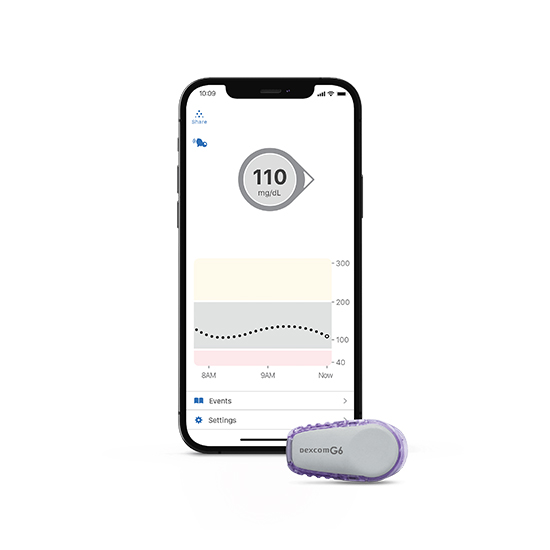
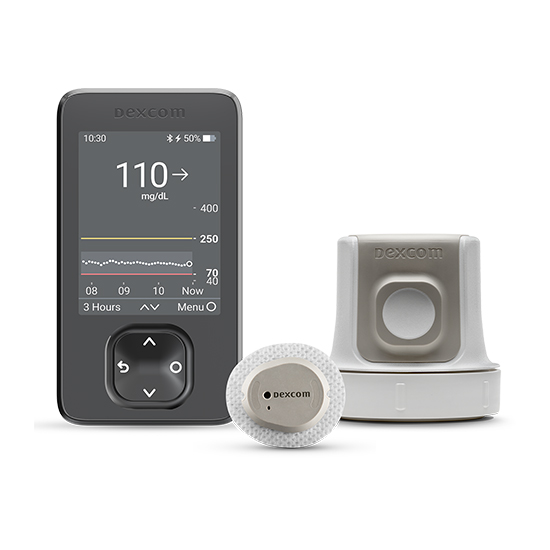
A small transmitter is attached to the sensor. It wirelessly sends glucose readings to a receiver, smartphone, or smartwatch every few minutes (typically every 1–5 minutes).
4. Real-Time Monitoring & Alerts
Users can view real-time glucose trends, historical data, and graphs. Many CGMs send alerts for high or low glucose levels—super helpful for overnight monitoring or for active people.


Face-to-Face Visit with Physician
Beneficiary must see treating practitioner every six months to continue to qualify.
Written Order (Prescription)
Chart Notes*
Meet at least one of the following criteria:
- Beneficiary has Type 1 or Type 2 diabetes and is insulin treated; OR
- Beneficiary has Type 1 or Type 2 diabetes and has a history of problematic hypoglycemia with documentation of at least one of the following: Recurrent (more than one) level 2 hypoglycemic events (glucose <54mg/dL (3.0mmol/L)) that persist despite multiple (more than one) attempts to adjust medication(s) and/or modify the diabetes treatment plan; OR
- Beneficiary has Type 1 or Type 2 diabetes and has a history of one level 3 hypoglycemic event (glucose <54mg/dL (3.0mmol/L)) characterized by altered mental and/or physical state requiring third-party assistance for treatment of hypoglycemia
Need Help with Your CGM?
ABBOTT FreeStyle Libre Customer Care Line
Contact ADC customer service directly at 855.632.8658.
Dexcom Customer Care Line
Visit Dexcom Customer Care for a live chat or request a callback.
Dexcom Patient Resources